1. Describe what you found
Tell the team about syringes, powders, stains or smells. You do not need to explain why they are there.
Lakeview, OR · Lake County
Found syringes, pipes or residue at a property in Lakeview? Call (877) 812-4220. A cleanup team can remove the items, clean and disinfect surfaces and dispose of the waste without judgment.
If anyone is in danger, call 911 first. For a suicide crisis, call or text 988.
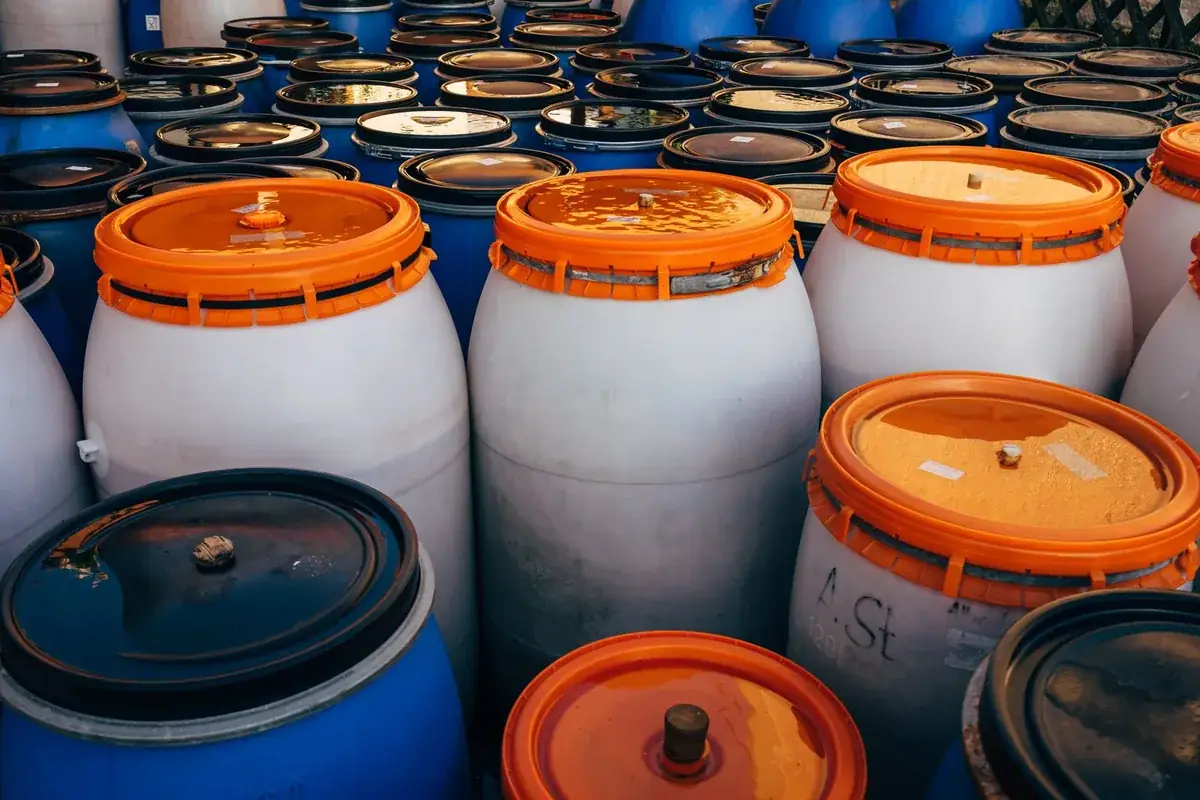
Cleaning up after drug use means handling two risks at once: sharps that can carry bloodborne pathogens and residue that can harm people who touch, breathe or swallow it.
You can get drug paraphernalia cleanup in Lakeview and throughout Lake County by calling Lakeview Biohazard Cleanup Help. Cleanup technicians follow the OSHA Bloodborne Pathogens Standard, 29 CFR 1910.1030, when sharps are involved.
A vacancy rate near 18% in Lake County means more empty houses and lots, which are common places for discarded items to be found. Tell the doctor where the exposure happened. Lake District Hospital, about 8 miles from Lakeview, can evaluate people who may have been exposed.
What drug paraphernalia cleanup covers:
Tell the team about syringes, powders, stains or smells. You do not need to explain why they are there.
The team looks over the rooms and decides which items, surfaces and materials need attention.
Items are lifted with tools into labeled containers. Soft materials that cannot be cleaned are removed and bagged.
Surfaces are disinfected, odors are treated, and a last walk-through confirms the space is ready.
The cost of drug paraphernalia cleanup in Lakeview, OR depends on the amount of material, how it is packed and how it is hauled.
Soft materials make a difference. Carpet, padding, mattresses and upholstery that took in residue or fluids may have to be removed and replaced.
| Type of job | Typical range |
|---|
Figures are planning ranges from , not a price for any specific Lakeview property. Price drivers include amount of material, whether residue is present, surfaces affected, waste disposal. Call (877) 812-4220 any hour.
It can. Powders and stains may stay on floors, furniture, bedding and in vents after the items are gone. That is why a team cleans and disinfects the surfaces and removes soft materials that cannot be cleaned. Ask what the plan covers.
The owner of the property usually pays at first. Lease terms and local law decide who is responsible in the end. A landlord, an attorney or a tenant rights group can say. Keep any record the cleanup team gives you, since a landlord or insurer may ask for it.
It is safer not to. You often cannot tell what an item or residue is, and hidden sharps are a risk. Do not mix cleaning products. A cleanup team has the protective gear and containers to do it safely, without judgment.
Sometimes. Some homeowners and renters policies cover cleanup after a covered event, and some limit or exclude claims tied to illegal activity. Check your policy, call your insurance company before work starts, take photos if you can, and keep every receipt.
Standard paraphernalia cleanup is about removal, cleaning and disinfection. Testing is a separate step, usually tied to a site where drugs were made. Ask the team and the local health department what testing, if any, applies to your property.
It can. Once soiled items are removed, a team can treat lingering odor in the air and on surfaces. Ask what methods the team uses and whether odor treatment is part of the plan or a separate step.
A cleanup team removes the items, treats the surfaces and keeps the details private.
Call (877) 812-4220